

Literature as dueling practice
What we must do when books are banned
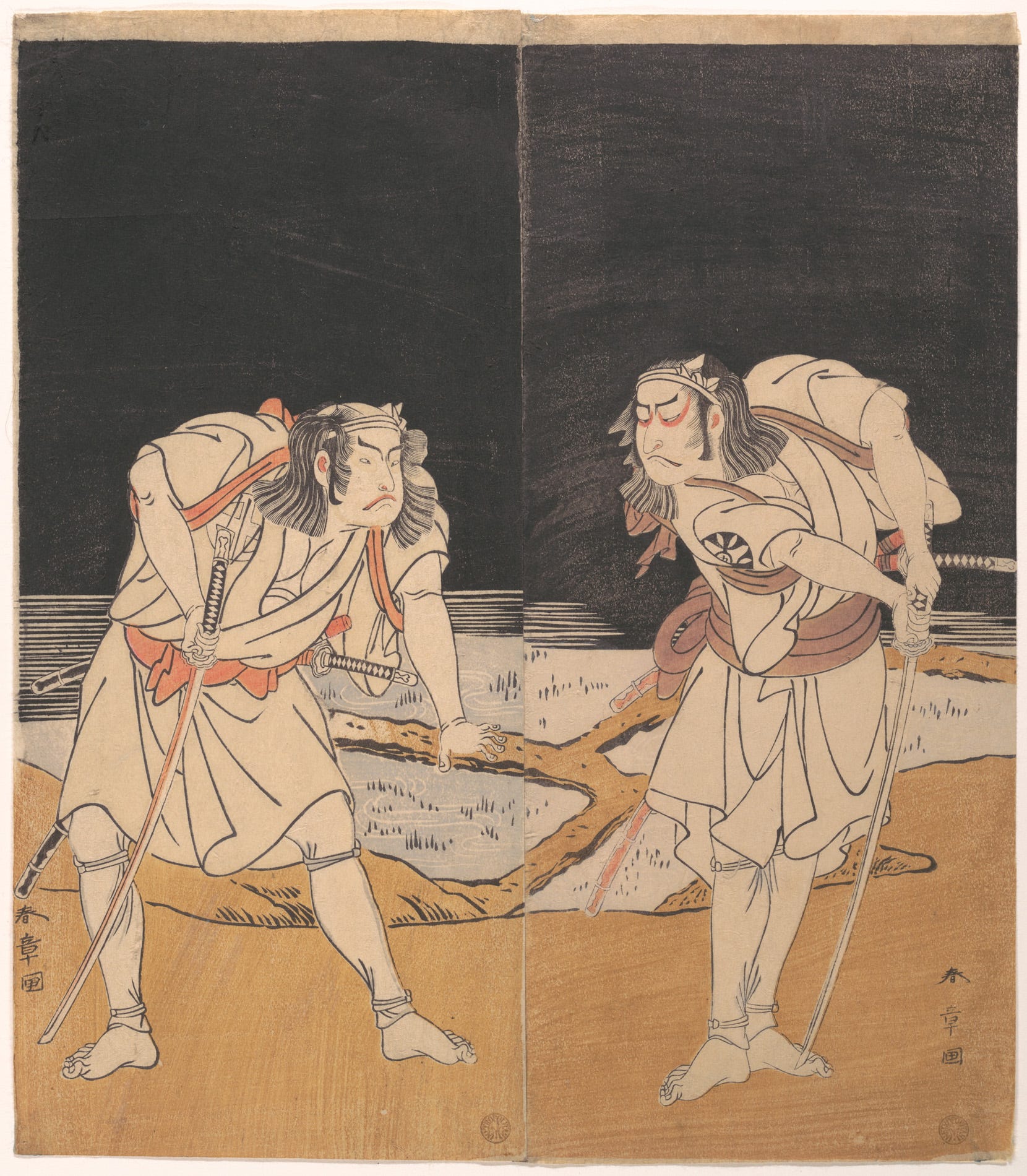
The world gets more complicated each day, as you certainly know, and if we are honest with ourselves, no inherited religion or ideology can survive the griefs and frictions of a human life in the 21st century. At some point, our belief systems break. What we once clung to as universal truth transforms, dissipates, or dissolves under the torrent of external influence. Or, if we are patient enough to let it burn and skilled enough to shape it, the belief can become a sword—your own philosophy against injustice, and what one must do with their limited time in this world.
To become skilled in shaping our belief, we face the world honestly. We confront all of its frightening truths and take time, likely years, to process them. In other words, we must read and write.
Adania Shibli, the award-winning Palestinian-American author of A Minor Detail, wrote that ethics “is a field that is constantly being nourished, revisited, and revised with every act of reading and every act of writing.” She goes on to say that “literature has never exercised or threatened violence as governmental or religious authorities have. Considering literature as an ethics would allow us more possibilities[…] might assist us in realizing or even imagining who we are in relation to one another, and in allowing others a place within ourselves.”1
Shibli writes from the experience of being silenced. In 2024, she was awarded the LiBeraturpreis for her novel but was then disinvited from the awarding ceremony and its book fair in Frankfurt.2 Shibli was born in Palestine. I think you know what I’m going to say next, but I will spell it out. A Minor Detail reckons with the Palestinian story of dispossession and erasure. The state responsible for that dispossession and erasure also seeks to erase stories, like Shibli’s, that reveal the extent of their own evil. The Frankfurt Book Fair, and the German literary organization LitProm, blindly obeyed. Because of their allegiance to the ideology of Zionism, they participated in the erasure of Palestinian voices.
This is a tragedy that reveals for us readers and writers what we must do. I think of what Stephen King wrote when asked to comment about his books being banned from public high schools in 1992. “Read it carefully,” he advised. “Discover what they didn’t want you to know.”3 I’ve just downloaded an ebook of Adania Shibli’s A Minor Detail, and I hope you’ll find a copy for yourself too.
It’s not as if we can destroy authoritarianism and all its iterations after reading a book, but as a writer and as an anarchist, I do believe in the power of changing ourselves in order to change our surroundings—eventually, yes, our world. While readers and writers are often solitary people who are not the first to speak in any room, imaginary worlds can offer the space to practice courage and solidarity, if we set an intention to do so.
Shibli, Adania (2024) "Book as Enemy.” The Paris Review.
Freeman, John (2023) “‘In the last four weeks language has deserted me’: Adania Shibli on being shut down.” The Guardian.
King, Stephen. “The Book-Banners: Adventure in Censorship is Stranger Than Fiction.” First published as a Guest Column in the March 20, 1992 issue of The Bangor Daily News.